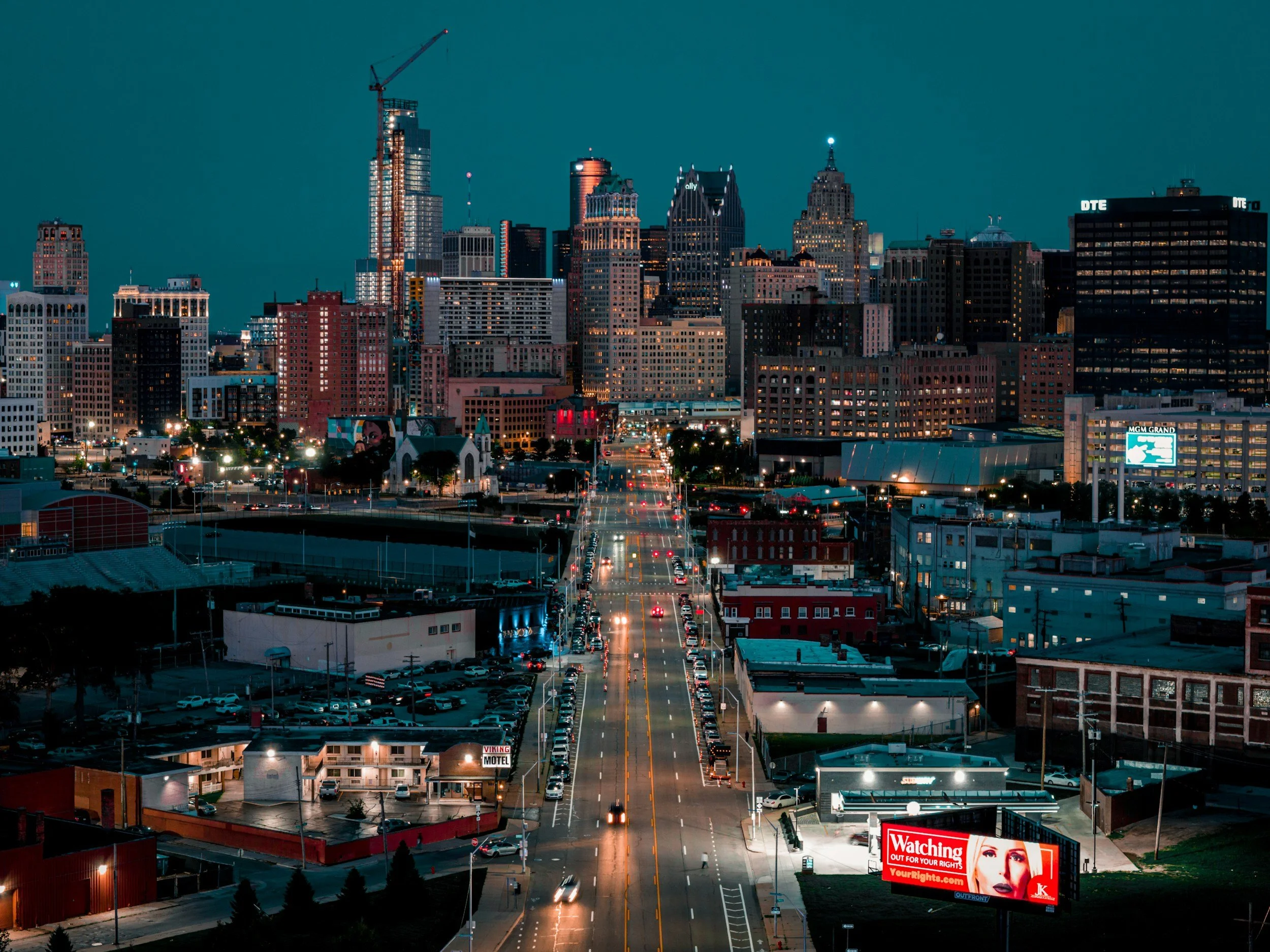
Detroit, MI
Scottsdale is known for its strong healthcare systems and high concentration of medical providers, especially compared to many other parts of Arizona. However, despite overall healthcare availability, access to affordable pediatric vision care still varies across communities, particularly for lower-income families and surrounding suburban or rural areas.
Key Challenges
High child poverty rates
Financial barriers to vision treatment
Unequal healthcare accessibility between neighborhoods
Transportation barriers
Insurance limitations for glasses and specialty care
Long wait times at low-cost clinics
High demand for pediatric specialists
Limited affordability of follow-up treatment and replacement glasses
Key Facts
Detroit has a population of approximately 630,000 residents
Around 35% of children in Detroit live below the poverty line
Detroit has one of the highest child poverty rates among major U.S. cities
Michigan has hundreds of thousands of children enrolled in Medicaid programs
Thousands of Detroit families rely on public healthcare systems and community clinics for pediatric care
Pediatric eye exams in Detroit typically cost between $100–$250+ without insurance
Prescription glasses for children often range from $150–$400+
Pediatric specialty eye treatments and surgeries can cost $5,000–$25,000+
Some Detroit neighborhoods have significantly lower healthcare provider accessibility compared to suburban areas
Families without reliable transportation may travel 45 minutes to over an hour for specialty pediatric vision care
Public clinics and affordable providers may have weeks to months-long wait times
Many schools and nonprofits in Detroit help provide free or reduced-cost vision screenings due to unmet need
Healthcare disparities between higher-income suburbs and lower-income city neighborhoods remain significant